Wedding photos aren’t just images; they’re heirlooms. As couples move away from disposable prints and basic photo books, flush-mount photo albums have become the preferred way to preserve wedding memories in a format that feels timeless, durable, and intentional. These albums are designed to showcase photography without distraction, distortion, or visible seams, allowing each image to feel like part of a cohesive visual story.
In 2026, flush-mount wedding albums continue to dominate the premium album market thanks to their clean aesthetic, professional craftsmanship, and ability to elevate photography into a true keepsake. Whether you’re a couple choosing your wedding album or a photographer deciding what to offer clients, understanding what makes a flush-mount album different and why it’s so widely preferred is essential.
Before exploring trends, costs, and customization options, it’s important to understand exactly what a flush mount wedding album is, and what makes it fundamentally different from other photo albums.
What Is a Flush Mount Wedding Album?
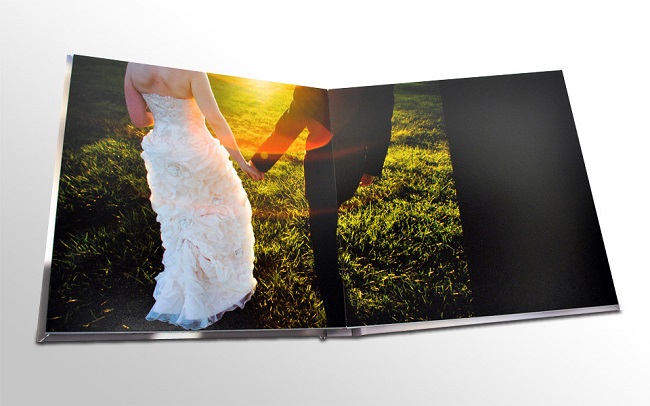
A flush-mount wedding album is a high-end photo album where each image is printed on thick, rigid pages that are mounted flush together with no gaps, bends, or visible creases at the center fold. When the album is open, the pages lie completely flat, allowing photos, even full-spread panoramic images to flow seamlessly across both pages.
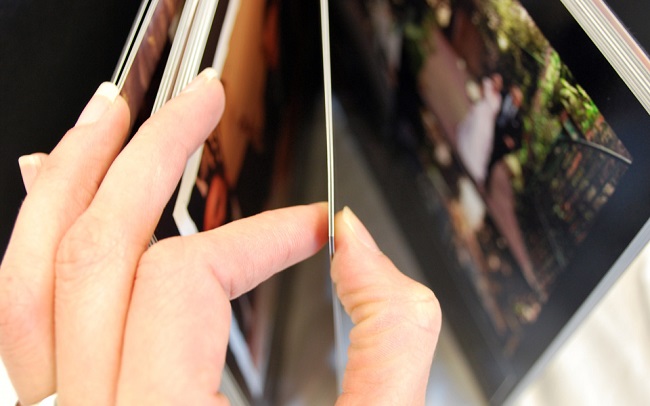
Unlike traditional photo books, flush-mount albums use a lay-flat binding with substrate-mounted pages, giving the album a solid, substantial feel. Each page is typically made by bonding photographic paper to a firm core, which prevents warping over time and protects images from bending or curling.
Flush mount albums are most commonly used for weddings because they:
- Present images without gutter loss or center distortion
- Create a luxury, museum-quality look and feel
- Hold up well over decades of handling and display
- Emphasize storytelling through uninterrupted spreads
These albums are often finished with premium materials such as leather, linen, velvet, or acrylic covers, making them feel more like a coffee-table heirloom than a standard photo book.
Now that we’ve defined what a flush-mount wedding album is, the next question is why these albums continue to evolve and what’s changing in 2026 as couples’ tastes, technology, and design preferences shift.
2026 Trends in Flush Mount Photo Albums
As wedding aesthetics continue to shift toward intentional, high-quality keepsakes, flush-mount photo albums in 2026 reflect a balance between modern minimalism and elevated personalization. Couples are no longer looking for albums that simply hold photos; they want albums that feel curated, tactile, and worthy of being passed down.
One of the biggest trends is a move toward clean layouts with fewer images per spread. Instead of cramming multiple photos onto a page, couples are opting for full-bleed images and intentional white space that lets each moment breathe. This approach mirrors the editorial approach to wedding photography and gives albums a timeless, magazine-quality feel.
Material choices are also evolving. Natural textures like linen, suede, and soft-touch vegan leather are dominating over glossy finishes, while acrylic and metal cover inlays are being used selectively as statement pieces rather than defaults. The result is albums that feel refined instead of flashy.
Personalization has become more subtle and meaningful in 2026. Rather than large names and dates on covers, couples are choosing small foil debossing, spine text, or hidden interior title pages. Some are even incorporating handwritten vows or location coordinates inside the album, making the keepsake deeply personal without overwhelming the design.
There’s also a noticeable shift toward smaller parent albums and duplicate mini sets, designed to match the main flush mount album exactly. These scaled-down versions allow families to share the same story without sacrificing quality or consistency.
With these trends in mind, it’s easier to see why flush-mount albums have become the industry standard not just for couples but for professionals as well. Next, let’s explore why photographers overwhelmingly prefer flush-mount albums over traditional photo books.
Why Photographers Prefer Flush Mount Albums
Professional photographers overwhelmingly choose flush mount albums because they best represent the quality, intention, and storytelling behind their work. Each of the reasons below reflects a specific advantage both creatively and professionally which is why flush mount albums remain the gold standard in 2026.
Superior Image Presentation
Flush-mount albums allow photographs to be displayed without center creases, page warping, or gutter loss. This is especially important for full-spread images, wide-angle ceremony shots, and emotional moments that photographers want to showcase exactly as they were captured. The lay-flat design ensures that composition, framing, and detail are preserved across every spread.
Accurate Representation of Professional Photography
Photographers invest heavily in lighting, lenses, editing, and color grading. Flush-mount albums use high-end printing processes and thicker substrates that better preserve color depth, contrast, and sharpness. This allows photographers to deliver a final product that truly reflects the quality of their digital files.
Stronger Storytelling Flow
Because pages sit perfectly flat and spreads feel continuous, photographers can design albums that tell a visual story from beginning to end. Flush-mount albums support intentional sequencing from getting ready to the ceremony to the reception without visual interruptions that break the narrative.
Durability That Matches Heirloom Expectations
Wedding albums are meant to last decades, not years. Flush-mount pages resist bending, curling, and tearing, even with frequent handling. Photographers prefer offering products they know will hold up over time, protecting both their images and their professional reputation.
Elevated Client Experience
Delivering a flush mount album instantly elevates the client experience. The weight, texture, and craftsmanship signal luxury and care, reinforcing the photographer’s value and pricing. For many photographers, flush-mount albums are a key part of their brand positioning.
Fewer Design Compromises
Flush-mount albums offer greater flexibility in layout design, spacing, and image scaling. Photographers can design spreads without worrying about margins, bleed, or center-binding distortions, resulting in cleaner, more impactful albums.
Higher Perceived Value and Profitability
From a business standpoint, flush mount albums command higher price points and are easier to upsell with cover upgrades, additional spreads, and parent albums. Photographers prefer products that not only serve clients well but also support sustainable, premium pricing.
While photographers clearly favor flush mount albums, couples often wonder how they compare to more familiar options. To understand the difference in quality, construction, and experience, it helps to look at flush mount albums versus traditional photo books side by side.
Flush Mount Album vs Photo Book: Key Differences
At a glance, flush mount albums and photo books can look similar online but the materials, construction, and overall feel are very different in person. A flush mount album is built like an heirloom product (thicker pages, lay-flat spreads, premium finishes), while most photo books are designed for affordability and casual printing.
-TABLE-
| Feature | Flush Mount Wedding Album | Photo Book |
|---|---|---|
| Page Thickness | Very thick, rigid pages (mounted to a firm core) | Thin to medium pages (paperstock, often flexible) |
| Lay-Flat Design | Yes pages lie fully flat for seamless spreads | Sometimes “lay-flat,” but often still has a center curve or gutter |
| Center Crease / Gutter Loss | Minimal to none images can run across both pages cleanly | Common images often lose detail near the binding |
| Print Quality | Professional-grade printing with richer color depth and sharpness | Consumer-grade printing (quality varies widely by vendor) |
| Durability | Built to last decades; resists bending, warping, and tearing | More prone to wear over time, especially at edges and binding |
| Overall Feel | Heirloom, substantial, “coffee-table” quality | Lighter, more casual, book-like |
| Customization Options | High-end cover materials (leather, linen, velvet), debossing, inlays, upgrades | Basic cover types (softcover/hardcover), limited premium options depending on brand |
| Typical Use Case | Weddings, luxury sessions, legacy family albums | Everyday prints, vacations, yearly recaps, casual gifting |
| Price Range | Higher investment (premium product + pro-level upgrades) | More budget-friendly (often designed for high-volume printing) |
Now that the construction differences are clear, the next practical question is: what sizes do flush mount wedding albums typically come in and how do couples decide what’s best for their wedding story?
General Sizes of a Flush Mount Wedding Album
Flush mount wedding albums come in a range of standard sizes designed to suit different storytelling styles, display preferences, and budgets. While many professional album companies also offer custom sizing, most couples and photographers choose from a core set of popular formats that balance visual impact with practicality.
Choosing the right size often depends on how the album will be used. Larger albums create dramatic, immersive spreads ideal for showcasing full-bleed images, while smaller albums are easier to handle, store, and duplicate as parent or gift albums.
| Album Size | Orientation | Best For | Notes |
|---|---|---|---|
| 8×8 inches | Square | Parent albums, smaller weddings, minimalist designs | Compact and affordable; often used as duplicates of the main album |
| 10×10 inches | Square | Couples who want a balance of size and usability | One of the most popular all-around sizes for flush mount albums |
| 12×12 inches | Square | Luxury albums with dramatic full-spread images | Creates strong visual impact; ideal for coffee-table display |
| 8×12 inches | Vertical | Portrait-heavy weddings and editorial-style layouts | Great for vertical imagery but slightly less common than square formats |
| 10×14 inches | Horizontal | Wide landscapes, ceremonies, venue shots | Excellent for panoramic spreads and scenic locations |
| 11×14 inches | Horizontal | High-end storytelling with expansive layouts | Often chosen by photographers for premium album collections |
In addition to size, most flush mount albums allow couples to choose the number of spreads or pages, which directly affects how many photos can be included and how the story unfolds. Photographers often recommend selecting the size first, then adjusting page count based on the wedding day coverage.
Once the album size is selected, the next layer of customization comes from the pages themselves. Not all flush mount pages are created the same and different page types can dramatically affect the look, feel, and longevity of the album.
Breakdown of Flush Mount Album Page Types
One of the defining features of a flush mount wedding album is the construction of its pages. Page type affects not only how the album looks, but also how it feels, how long it lasts, and how the photographs are experienced. In 2026, most professional flush mount albums offer several page options to match different design styles and durability preferences.
Lustre (Matte) Pages
Lustre pages are the most popular choice for flush mount wedding albums. They have a soft, semi-matte finish that reduces glare while maintaining strong color depth and detail. This page type is especially forgiving with fingerprints and reflections, making it ideal for albums that will be handled frequently.
Glossy Pages
Glossy pages offer high contrast, deep blacks, and vibrant colors. Images appear sharp and bold, which can be striking for dramatic lighting and high-energy reception photos. However, glossy finishes are more prone to fingerprints and glare, so they are typically chosen for display-focused albums rather than everyday handling.
Deep Matte Pages
Deep matte pages provide a smooth, non-reflective finish with a soft, velvety feel. This option is often favored for editorial or fine-art wedding styles where mood and texture are more important than punchy contrast. While elegant, deep matte pages can show surface marks more easily and may slightly soften image sharpness.
Silk or Pearl Pages
Silk or pearl pages feature a subtle textured finish that adds dimension to images without being distracting. The texture helps diffuse light and minimize fingerprints, making this a practical middle ground between lustre and glossy finishes. These page types are popular with couples who want durability without a completely flat matte look.
Extra-Thick or Rigid Pages
Some flush mount albums offer upgraded ultra-thick pages for a more substantial, heirloom feel. These pages enhance durability and give the album additional weight and presence, particularly in larger sizes. This option is often chosen for luxury albums or milestone events.
With page types in mind, the next consideration for most couples is cost. Flush mount wedding albums are a premium product, and pricing can vary significantly based on size, materials, and customization. Understanding what drives the cost helps set realistic expectations.
Cost Breakdown of Flush Mount Wedding Albums
Flush mount wedding albums are considered a premium investment, and their pricing reflects the craftsmanship, materials, and customization involved. In 2026, costs can vary widely depending on album size, page count, cover materials, and whether the album is ordered directly by a couple or through a professional photographer.
At a high level, the base price usually covers the album’s construction and a set number of spreads. Additional upgrades increase the final cost incrementally rather than all at once, allowing couples to prioritize what matters most to them.
| Cost Factor | What It Includes | Typical Price Range (2026) |
|---|---|---|
| Base Album | Standard size (often 10×10), 20–25 pages, standard page finish | $600–$1,200 |
| Additional Pages / Spreads | Extra photo spreads beyond the base count | $40–$100 per spread |
| Larger Album Sizes | Upgrading to 12×12 or panoramic formats | +$150–$400 |
| Premium Page Upgrades | Deep matte, silk, or ultra-thick rigid pages | +$100–$300 |
| Cover Materials | Leather, linen, velvet, vegan leather, or custom fabrics | +$100–$500+ |
| Cover Personalization | Debossing, foil stamping, acrylic or metal inlays | +$50–$250 |
| Parent / Duplicate Albums | Smaller matching albums with identical layouts | $300–$800 each |
Albums ordered through a photographer are often more expensive than DIY options, but they typically include professional album design, color accuracy, and access to higher-end labs that are not available to the general public. Many photographers also bundle albums into wedding packages, which can offer better overall value.
Once budget expectations are set, the final step is deciding where and how to build a flush-mount wedding album and knowing the right questions to ask before committing to a provider or platform.
Trusted Album Providers and Tools for Building a Flush Mount Wedding Album
Once you understand the structure, sizing, and cost of a flush mount wedding album, the final step is choosing where to build it and who to trust with the final product. In 2026, couples typically either work directly with their photographer or use a premium album provider themselves. The providers listed below are widely recognized for quality, reliability, and flush-mount construction.
GraphiStudio
GraphiStudio is considered one of the most luxurious flush-mount album manufacturers in the world. Based in Italy, they are known for handcrafted albums, extensive cover materials, acrylic and metal inlays, and museum-grade printing. These albums are most commonly offered through high-end wedding photographers.
Miller’s Professional Imaging
Miller’s Professional Imaging is a long-standing professional photo lab in the U.S. that offers durable flush mount wedding albums with consistent color accuracy. Their albums are typically accessed through photographers and are valued for their reliability and consistent turnaround.
RedTree Albums
RedTree Albums specializes in handcrafted flush-mount albums with an artisan feel. They are known for natural materials, refined binding, and attention to detail, making them a popular choice for photographers who want a boutique, heirloom-style product.
Artifact Uprising
Artifact Uprising offers consumer-friendly lay-flat albums that approach the quality of flush-mount albums. While not always true substrate-mounted flush mount albums, they are popular for minimalist designs, natural textures, and couples creating albums independently.
Zno
Zno provides flush mount-style albums with modern customization options and competitive pricing. Their platform is often used by photographers but can also appeal to experienced DIY couples looking for elevated quality without full luxury pricing.
Fundy Designer
Fundy Designer is professional album design software used by photographers to efficiently build flush-mount layouts. It supports drag-and-drop spreads, automatic design tools, and export-ready files for professional album labs.
Questions to Ask Before Ordering a Flush Mount Wedding Album
Before committing to a provider or placing an order, it’s important to ask the right questions upfront. Flush-mount wedding albums are a long-term investment, and small differences in construction, materials, or policies can significantly impact the final result. These questions help ensure you know exactly what you’re getting and avoid surprises later.
What type of pages are included in the base price?
Ask whether the album includes lustre, matte, glossy, silk, or upgraded rigid pages by default. Page finish affects durability, glare, and how colors appear.
How many pages or spreads are included?
Most base albums include a limited number of spreads. Clarify the cost per additional spread and whether there’s a maximum page count for your chosen size.
Are the pages truly flush mount and fully lay-flat?
Some albums are marketed as “lay-flat” but still use thinner paper. Confirm that pages are substrate-mounted and designed for seamless panoramic spreads.
What cover materials and upgrades are available?
Request samples if possible. Leather, linen, velvet, and acrylic covers can look very different in person than online.
Who designs the album layout?
If working with a photographer, ask whether professional album design is included and how many revision rounds are allowed. If designing yourself, confirm what tools and templates are provided.
What is the production and delivery timeline?
Flush mount albums are often handcrafted. Typical timelines range from 4 to 10 weeks depending on customization, vendor location, and time of year.
Are parent or duplicate albums exact replicas?
Ask whether parent albums match the main album in layout, page thickness, and materials or if they are simplified versions.
What is the reprint or correction policy?
Mistakes and shipping damage can happen. Confirm how color issues, production errors, or defects are handled and whether reprints are covered.
BrideBox for Wedding Trends, Advice, and Expert Knowledge
Planning a wedding comes with hundreds of decisions and having the right guidance makes all the difference. BrideBox brings together the latest wedding trends, expert insights, and practical planning advice to help couples make confident, informed choices at every stage of their journey.
From understanding luxury details like flush-mount wedding albums to navigating venues, vendors, timelines, and design trends, BrideBox is your trusted source for modern wedding planning without the overwhelm.
Explore BrideBox for inspiration, clarity, and expert-backed advice designed for today’s couples.