Choosing a wedding venue is one of the most important and often overwhelming decisions in the entire planning process. The venue sets the tone for the day, influences nearly every other vendor choice, and plays a major role in how guests experience the celebration. With so many options available and budgets under increasing pressure, couples today need more than inspiration. They need clarity, structure, and confidence in their decision making.
Before diving into how to evaluate specific venues, it helps to understand how weddings themselves are evolving. The way couples approach guest lists, budgets, and experiences has shifted significantly in recent years, and those changes are directly shaping the types of venues couples are choosing.
Wedding venue trends in 2026 provide important context for why certain spaces are in higher demand and why others may no longer fit modern expectations. Understanding these trends can help you make a venue choice that not only feels right today but also aligns with how couples are actually celebrating weddings now.
Wedding Venue Trends in 2026
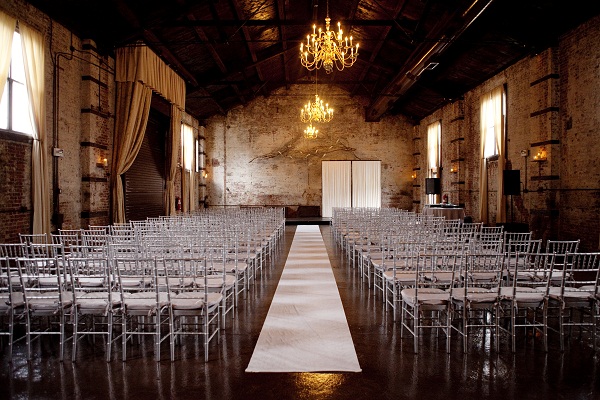
Wedding venue trends in 2026 reflect a clear shift toward intentional, experience-driven celebrations rather than large, traditional events. Many couples are choosing smaller, more intimate guest counts, with roughly four in ten weddings now hosting fewer than 75 guests, allowing couples to reallocate their budgets toward elevated venues, better food, and more meaningful experiences for attendees. This shift has increased demand for venues that support micro-weddings, private buyouts, and multi-day celebrations, such as estates, boutique hotels, and scenic destinations that can host welcome dinners, ceremonies, and farewell brunches in one cohesive setting. Flexibility has become a major deciding factor, with couples prioritizing venues that allow indoor-outdoor flow, adaptable layouts, and weather-proof backup options.
At the same time, sustainability and personalization are playing a much larger role in venue selection. Eco-conscious practices—such as outdoor settings that reduce décor needs, locally sourced catering, and venues that emphasize minimal waste—are increasingly influencing booking decisions. Natural surroundings remain highly desirable, with gardens, vineyards, coastal properties, and mountain venues continuing to rank among the most searched wedding locations. Beyond aesthetics, couples are gravitating toward venues with strong character and emotional resonance, favoring spaces that feel distinctive and meaningful rather than traditional ballrooms. Together, these trends show that in 2026, couples are choosing wedding venues not just for capacity, but for how well they support authentic storytelling, guest experience, and personal values.
With a clearer understanding of how modern weddings are evolving, the next step is defining what your wedding should feel like on a personal level. Before looking at venues, you need a strong sense of direction so your choices are intentional rather than reactive.
1. Define Your Wedding Vision and Priorities
Before touring venues, take time to define your wedding vision and clarify your top priorities as a couple. This step serves as the foundation for every venue decision that follows and helps prevent costly or emotional missteps later in the planning process.
Start by focusing on the experience you want to create, not just the aesthetic. Think about how you want the day to feel for you and your guests. Are you envisioning an intimate gathering with meaningful moments, or a larger celebration centered around energy and entertainment? Identifying the emotional tone of the day helps narrow venues that naturally support that atmosphere.
Next, determine your non negotiables. These are the elements you are unwilling to compromise on, even if other aspects need to shift. Common priorities include:
- Guest comfort and ease of movement
- Quality and style of food and drink
- Scenic surroundings or architectural character
- Cultural or family traditions
- Budget control and transparency
It is also important to consider practical preferences that directly affect venue suitability. Decide whether you prefer:
- An indoor or outdoor ceremony and reception
- A formal, semi formal, or casual setting
- A daytime or evening celebration
- A specific season and how weather may impact your plans
Finally, align your vision with reality. A venue should enhance your priorities rather than force you to adjust them. If a space requires extensive rentals, heavy decor, or major compromises to fit your vision, it may not be the right starting point.
Once your vision and priorities are clearly defined, the next step is grounding those ideas in a realistic financial framework. A well planned venue budget protects the rest of your wedding decisions from unnecessary stress later on.
2. Set a Realistic Venue Budget
Your wedding venue is typically the single largest expense in your overall wedding budget. When all costs are accounted for, venues often represent thirty to fifty percent of total wedding spending, making it critical to establish a clear and realistic budget before touring spaces.
An effective venue budget should be all inclusive, not just focused on the base rental fee. Many couples underestimate how quickly additional costs add up once catering minimums, staffing, and required services are included. Understanding the true cost upfront helps prevent falling in love with a venue that quietly exceeds your financial comfort zone.
When building your venue budget, be sure to account for:
- Base rental fee for the space
- Catering and bar minimums, if applicable
- Service charges and gratuities
- Taxes and administrative fees
- Overtime charges for extended events
- Security or staffing requirements
- Required rentals such as tables, chairs, linens, lighting, or equipment
It is also important to understand how venue choices affect other parts of your budget. Some venues reduce the need for extensive decor or rentals, while others require additional spending to transform the space. A venue that appears more expensive upfront may offer better overall value if it includes key services or reduces the need for outside vendors.
Setting a realistic venue budget early gives you clarity and control. It allows you to compare venues accurately, make confident trade offs, and protect the parts of your wedding that matter most to you.
With your budget defined, the next factor that shapes nearly every venue option is guest count. Knowing how many people you plan to host ensures the venue feels intentional rather than uncomfortable or underutilized.
3. Confirm Your Estimated Guest Count
Guest count influences far more than seating. It affects layout, pricing tiers, catering minimums, staffing requirements, and how the event feels overall. A venue that is perfect for eighty guests can feel cramped with one hundred twenty or empty with fifty, which can change the entire atmosphere of the day.
Before touring venues, create a realistic estimate based on your actual invite list rather than an aspirational number. This helps you avoid wasting time on venues that will not comfortably accommodate your group or that require major compromises in flow or guest experience.
When evaluating venues, ask specific capacity related questions:
- Minimum and maximum guest counts for your preferred layout
- Differences between seated dinner and cocktail style capacity
- Space allocation for a dance floor, live band or DJ, and bar areas
- How guest count impacts catering minimums and staffing levels
Comfort should be prioritized over maximum capacity. A venue that fits your guest list naturally allows for better movement, clearer sight lines, and a more relaxed experience for everyone.
Once you know how many guests you are hosting, the next consideration is how easily they can get there. Location plays a major role in attendance, logistics, and the overall ease of your wedding day.
4. Choose the Right Location and Accessibility
The location of your wedding venue affects far more than scenery. It determines travel time, accommodations, transportation needs, and how accessible the event is for all guests. A well chosen location reduces friction and allows guests to focus on celebrating rather than navigating logistics.
Consider where the majority of your guests are traveling from and whether overnight stays will be required. Venues near hotels or with the ability to secure room blocks often simplify planning and improve guest turnout. Transportation options such as shuttles or valet service can also make a significant difference in the overall experience.
When evaluating location and accessibility, consider:
- Proximity to the ceremony location if it is separate
- Parking availability, valet options, or shuttle services
- Nearby hotels and ease of securing room blocks
- Accessibility features such as ramps, elevators, and accessible restrooms
A venue that is easy to access and thoughtfully located creates a smoother, more inclusive experience for everyone involved.
With guest count and location narrowed down, the next decision is about how much structure and support you want from your venue. This choice has a major impact on planning workload, flexibility, and overall stress levels.
5. Decide Between All Inclusive and Blank Slate Venues
Wedding venues generally fall into two categories: all inclusive venues and blank slate venues. Neither option is better than the other, but each supports a very different planning experience.
All inclusive venues typically provide in house catering, bar service, rentals, staffing, and sometimes coordination. These venues are ideal for couples who value convenience, streamlined communication, and predictable costs. However, they often come with limitations around customization and vendor choice.
Blank slate venues offer an open space where you bring in your own vendors, rentals, and design elements. This option allows for full creative control but requires significantly more coordination and decision making throughout the planning process.
When comparing venue types, consider:
- What services are included versus charged separately
- Whether vendors are required, preferred, or fully open
- How much flexibility you want with décor, catering, and timeline
- Your comfort level managing multiple vendors and logistics
The right choice depends on how hands on you want to be and how much time and energy you are willing to dedicate to coordination.
Once you understand what type of venue aligns with your planning style, it is time to see spaces in person. Venue tours are where practical details matter just as much as first impressions.
6. Tour Venues With the Right Questions in Mind
A venue tour is not just about falling in love with a space. It is an opportunity to understand how the venue operates on a real wedding day and whether it can support your timeline, logistics, and guest experience.
Go into each tour with a checklist and a functional mindset. Pay attention to how the space flows, how staff communicate, and how challenges are handled. The answers to your questions often matter more than the aesthetics.
Key topics to ask about during a venue tour include:
- Rain or weather contingency plans and how they are executed
- Ceremony to cocktail hour to reception flow
- Noise restrictions, curfews, and end times
- Getting ready spaces for both wedding parties
- Setup and breakdown windows for vendors
Also observe how transparent and responsive the venue team is. Clear answers, realistic timelines, and openness about limitations are strong indicators of a well run venue.
7. Review Contracts, Rules, and Restrictions Carefully
Venue contracts often contain rules and limitations that directly affect how your wedding day unfolds. While tours highlight the best case scenario, the contract outlines the boundaries you must work within. Reading every clause carefully helps prevent surprises that could impact your timeline, décor plans, or overall experience.
Pay close attention to financial terms first. Deposits are often non refundable, and payment schedules can require large balances well before the wedding date. Understanding these details allows you to plan cash flow and avoid penalties.
Key contract elements to review include:
- Deposit amount, due date, and refundability
- Payment schedule and accepted payment methods
- Cancellation and rescheduling policies, including force majeure terms
- Final guest count deadlines and penalties for changes
Next, review all rules and restrictions that may affect your vision. Many venues have strict guidelines that are not always discussed during tours but can significantly limit flexibility.
Watch for restrictions related to:
- Décor such as candles, florals, hanging installations, and signage
- Lighting, sparklers, fireworks, or special effects
- Music volume, amplified sound, and hard stop times
- Use of outdoor spaces and weather related limitations
Finally, confirm insurance and liability requirements. Many venues require couples and vendors to carry specific coverage and submit certificates of insurance by a certain date. Knowing these requirements early helps avoid last minute scrambling.
If anything in the contract feels unclear, restrictive, or overly broad, ask questions before signing. A venue that is confident in its policies should be willing to explain them clearly.
After understanding the rules on paper, the next step is knowing how things are actually managed on the wedding day. Clear roles and responsibilities are essential to keeping everything running smoothly.
8. Understand Staffing, Coordination, and Day Of Support
Not all venues provide the same level of staffing or coordination, and assumptions in this area often lead to confusion on the wedding day. Some venues offer a dedicated on site coordinator, while others provide a venue manager whose primary responsibility is protecting the property rather than managing your timeline.
It is important to understand exactly who will be present on the wedding day and what their role includes. A venue coordinator may handle logistics related to the space, while your wedding planner or coordinator manages the overall event flow and vendors.
Clarify the following details with each venue:
- The role of the venue coordinator versus a venue manager
- Whether coordination includes timeline management or only venue related logistics
- Support for vendor load in, load out, and setup
- Who enforces venue rules and timeline restrictions
Also ask about how timing is handled. Some venues strictly enforce end times and charge overtime fees by the hour or minute. Understanding these policies helps you build a realistic timeline and avoid unexpected charges.
Important timing questions include:
- How overtime is calculated and approved
- Who communicates timing warnings during the event
- What happens if the event runs behind schedule
Clear staffing and coordination expectations reduce stress and prevent miscommunication. Knowing who is responsible for what allows you and your vendors to focus on the celebration rather than problem solving.
By this point, you have gathered a lot of information and likely formed emotional attachments to more than one venue. This is where a structured comparison helps cut through overwhelm and bring clarity to the final decision.
9. Compare Finalists Side by Side
Once you have narrowed your list to two or three finalist venues, compare them using the same criteria. This step removes emotion from the process and helps you evaluate which option offers the best overall fit, not just the strongest first impression.
Create a comparison checklist and review each venue objectively. Seeing everything laid out side by side often reveals trade offs that are easy to miss when evaluating venues individually.
Your comparison checklist should include:
- Total estimated cost, including all fees and required services
- What is included versus what must be sourced separately
- Pros and cons of each space based on your priorities
- Restrictions that may affect décor, timeline, or vendors
- Stress level required to execute the event
- Guest comfort, flow, and accessibility
This exercise often clarifies which venue aligns best with your values, planning style, and budget. The goal is not perfection but alignment and confidence.
After comparing venues objectively, the final decision often becomes clear. At this stage, trusting the fit and acting decisively helps you move forward with the rest of your planning.
10. Trust the Fit and Secure Your Date Early
The right wedding venue should feel supportive of your vision and manageable within your financial and logistical limits. While it is normal to feel some nerves before committing, the right choice usually brings a sense of relief rather than ongoing doubt.
Once you are confident in your decision, secure your date as soon as possible. Popular venues often book twelve to eighteen months in advance, especially for peak seasons and weekends.
Before finalizing, take these final steps:
- Confirm all agreed upon details in writing
- Review the final contract carefully before signing
- Pay the deposit and obtain a receipt
- Request a fully executed copy of the contract
- Mark payment deadlines and key dates on your planning calendar
Securing your venue allows the rest of your planning to fall into place. Once the space is locked in, everything from invitations to vendor bookings becomes clearer and easier to manage.
What Brides Say Is the Hardest Part About Choosing a Wedding Venue
For many couples, the hardest part of choosing a wedding venue is not narrowing down beautiful options. It is navigating uncertainty around pricing, timing, expectations, and pressure to commit before everything feels fully defined. Brides consistently describe venue selection as the point where planning shifts from exciting to emotionally heavy.
1. Hidden Costs That Change Everything
“Every venue looked affordable at first, but once we added service fees, minimums, and rentals, the price doubled. That part has been the most overwhelming.”
Many couples enter venue shopping with a budget in mind, only to realize the advertised price barely scratches the surface. Mandatory service charges, catering minimums, and rental requirements often appear later in the process, leaving couples feeling blindsided and frustrated by how quickly costs escalate.
2. Choosing a Venue Without a Final Guest Count
“We felt like we had to choose a venue before we even knew our final guest count, which made the decision feel like a gamble instead of a plan.”
Guest count influences nearly every venue decision, yet many couples feel pressured to commit before their list is finalized. This creates anxiety because the venue sets limits that can affect who ultimately gets invited and how comfortable the event feels.
3. Pressure to Book Before Feeling Ready
“The pressure to book quickly was intense. Venues kept telling us dates were filling up, and it felt like we had to commit before we were ready.”
While popular venues do book far in advance, constant urgency can push couples toward decisions driven by fear rather than confidence. When speed replaces clarity, couples often second guess themselves long after signing.
4. Comparing Apples to Oranges
“I didn’t realize how hard it would be to compare venues when they all include different things. It’s like comparing apples to oranges.”
One venue may include rentals and staffing, while another only offers the space itself. Without standardized pricing or inclusions, couples struggle to compare true value, making the decision feel more complex than it needs to be.
5. Falling in Love, Then Reading the Contract
“We loved a venue, but once we read the contract, there were so many restrictions that it stopped feeling like our wedding.”
Restrictions around décor, music, timing, or vendors can dramatically change how a wedding feels. Many couples experience disappointment when the flexibility they assumed during the tour does not match what is outlined in the contract.
6. Balancing Personal Vision With Family Expectations
“Trying to balance what we want with what our families expect has been harder than I imagined, especially when it comes to choosing the venue.”
Venues often become a focal point for differing opinions. Guest capacity, formality, and location can trigger tension between honoring family traditions and staying true to the couple’s vision.
7. The Disconnect Between Photos and Reality
“Most venues looked amazing in photos, but touring them in person was completely different. That disconnect made the process frustrating.”
Professional photography can hide limitations like tight layouts, poor lighting, or awkward flow. Touring in person often reveals practical issues that are not visible online, forcing couples to reset expectations.
8. Lack of Clear Communication From Venues
“Getting clear answers from venues was surprisingly difficult. Some took weeks to respond, and others wouldn’t give pricing upfront.”
Slow responses and vague pricing create unnecessary stress early in the planning process. Many brides note that communication issues during inquiry stages raise concerns about how responsive the venue will be later.
9. Fear of Making the Wrong Choice
“I keep worrying we’ll choose the wrong venue and regret it later, especially since it’s such a big financial commitment.”
Because the venue often consumes a large portion of the budget, the emotional weight of the decision feels amplified. Couples worry about locking themselves into a choice that cannot be undone.
10. Feeling Like Everything Depends on This One Decision
“The venue decision feels like everything depends on it. Until it’s booked, it feels like we can’t move forward with any other planning.”
This sentiment comes up repeatedly. Until the venue is secured, dates cannot be finalized, vendors cannot be booked, and momentum stalls. The pressure to get it right can make the decision feel paralyzing.
Why These Experiences Matter
Taken together, these insights reveal why choosing a wedding venue feels uniquely stressful. It is not just about finding a beautiful space. It is about managing cost uncertainty, incomplete information, time pressure, emotional expectations, and long term commitment all at once. Recognizing these shared challenges helps couples approach venue selection with more patience, better questions, and greater confidence.
10 Questions to Ask Before Booking a Wedding Venue
After narrowing down your venue options, asking the right questions becomes just as important as the space itself. These questions are designed to uncover hidden costs, clarify expectations, and prevent misunderstandings that often lead to regret later. A venue that answers clearly and transparently is far more likely to support a smooth planning process and a stress free wedding day.
1. What Is Included in the Base Rental Price?
This question helps you understand what you are actually paying for versus what you will need to source separately. Many venues advertise a rental price that only covers the space itself, leaving couples responsible for rentals, staffing, or cleanup costs that can add up quickly.
Ask for a detailed breakdown of what is included in the base price, such as tables, chairs, linens, staffing, setup, and cleanup. The goal is to avoid assumptions and ensure you are comparing venues accurately, especially when one space appears more affordable than another at first glance.
2. What Is the True All In Cost for Our Guest Count?
The purpose of this question is to reveal the real financial commitment required for your wedding at this venue. Base pricing rarely reflects the full cost once catering minimums, service charges, taxes, and required add ons are included.
Ask the venue to estimate the total cost based on your expected guest count and typical event needs. A clear all in estimate helps you assess affordability honestly and prevents budget shock later in the planning process.
3. What Dates and Times Are Included in the Rental?
This question clarifies how much access you actually have to the space on your wedding day. Some venues include limited setup and breakdown windows, while others offer more flexibility.
Be sure to ask about:
- When vendors can arrive to set up
- How early you can access getting ready spaces
- When the event must end
- How overtime is handled and billed
The goal is to ensure your timeline fits within the venue’s policies without incurring unexpected overtime fees.
4. What Is Your Maximum and Minimum Guest Capacity for Our Layout?
This question helps ensure the venue will feel comfortable and balanced for your specific event style. Capacity can vary significantly depending on whether the event is seated, cocktail style, or includes large entertainment elements.
Confirm the seated dinner capacity for your layout, cocktail style limits, and how much space remains for a dance floor, band or DJ, and bar areas. The goal is to avoid overcrowding or underutilizing the space, both of which can impact guest experience.
5. Do You Have Preferred or Required Vendors?
This question reveals how much flexibility you will have in building your vendor team. Some venues require the use of in house vendors or limit choices to an approved list, which can significantly affect both cost and creative control.
Ask whether vendors are mandatory, preferred, or fully optional, and clarify which services this applies to, such as catering, bar service, rentals, or coordination. The goal is to understand whether you can choose vendors that fit your budget and vision or if the venue dictates those decisions.
6. What Happens if It Rains or Weather Becomes an Issue?
If your ceremony or reception is outdoors, this is one of the most important questions you can ask. A vague or informal backup plan can quickly turn into stress if weather conditions change.
Request a clear and specific Plan B, including where the event would move, how quickly the transition can happen, and what rentals or setup changes may be required. The goal is to ensure that your wedding can proceed smoothly regardless of weather, without last minute scrambling or added costs.
7. What Restrictions Should We Know About?
This question uncovers limitations that can affect the look, feel, and flow of your wedding day. Many venues have rules that are not immediately obvious during a tour but can significantly impact your plans.
Ask about restrictions related to:
- Décor, including candles, florals, hanging installations, and signage
- Sparklers, fireworks, or special effects
- Amplified music, sound limits, and curfews
- Pets, cultural traditions, or ceremonial elements
The goal is to ensure the venue’s rules align with your expectations and that there are no surprises after you have already committed.
8. What Is the Payment Schedule and Cancellation Policy?
This question helps you understand your financial obligations and level of risk. Venue contracts often require large deposits that are non refundable, with remaining balances due well before the wedding date.
Clarify deposit amounts, payment deadlines, refundability, and rescheduling terms. The goal is to fully understand what happens if plans change and to ensure the payment timeline works comfortably with your budget and planning schedule.
Wedding Venue Fit Quiz – Are You Choosing the Right Wedding Venue?
Choosing a wedding venue can feel overwhelming, especially when there is pressure to decide quickly and a lot at stake financially and emotionally. This short quiz is designed to help you step back, assess your choice objectively, and check whether a venue truly aligns with your vision, budget, and comfort level.
There are no right or wrong answers. Answer each question honestly with Yes, Somewhat, or No, and use your results as a guide for clarity rather than a final verdict. The goal is to help you feel confident and grounded before making one of the most important decisions in your wedding planning process.
1. Does this venue comfortably fit your guest list without feeling cramped or empty?
Think about seated dinner, dance floor, bars, and flow — not just maximum capacity.
2. Do you fully understand the total cost, including fees, minimums, taxes, and rentals?
If the price still feels fuzzy, that’s a signal to pause.
3. Does the venue align with your wedding vision without requiring excessive décor or fixes?
A good venue should enhance your style, not require you to “transform” it completely.
4. Are the venue’s rules and restrictions something you can live with comfortably?
This includes music limits, décor rules, timing, and vendor requirements.
5. Does the venue work for your guests logistically?
Consider parking, accessibility, travel distance, nearby hotels, and transportation.
6. Do you feel confident about the rain plan or backup options?
If weather could derail your day and there’s no clear Plan B, that’s a red flag.
7. Did you feel supported, responsive communication from the venue team so far?
How they treat you now is usually how they’ll treat you later.
8. Does this venue fit your budget without forcing sacrifices in other priorities?
If booking it means cutting food quality, photography, or guest comfort, reassess.
9. Can you clearly picture how your wedding day will flow in this space?
If you can’t visualize the ceremony, cocktail hour, and reception transitions, dig deeper.
10. When you imagine booking this venue, do you feel relief — not dread?
Your gut matters. The right venue usually brings clarity, not constant second-guessing.
How to Interpret Your Quiz Results
- 8–10 “Yes” answers
You’re likely choosing the right venue. It supports your vision, budget, and sanity. - 5–7 “Yes” answers
The venue has potential, but there are unresolved concerns. Address them before booking. - Below 5 “Yes” answers
This venue may be creating more stress than excitement. It’s okay to keep looking
The 5 Most Important Tips for Choosing Your Wedding Venue
Choosing a wedding venue involves balancing emotion with logistics, vision with reality, and excitement with clarity. These five tips reflect the most important lessons couples learn throughout the venue selection process and can help you make a decision you feel confident about long after the contract is signed.
1. Prioritize Fit Over First Impressions
A venue can be beautiful and still be wrong for your wedding. Instead of focusing solely on aesthetics, evaluate how well the space supports your guest count, timeline, budget, and overall experience.
Ask yourself whether the venue naturally works for your vision or whether it requires heavy adjustments, rentals, or compromises to make it fit. The best venue should enhance your plans, not fight them.
2. Demand Full Cost Transparency Early
One of the most common regrets couples have is underestimating the true cost of their venue. Always push for an all in estimate based on your guest count and event style, not just the advertised rental price.
Clear pricing upfront allows you to compare venues accurately and protects the rest of your budget. If pricing feels vague or constantly shifting, that is a signal to slow down or reconsider.
3. Think Through the Wedding Day Flow
A venue should make your wedding day feel effortless, not complicated. Pay attention to how guests will move through the space from ceremony to cocktail hour to reception.
Consider transitions, distance between spaces, restroom access, bar placement, and noise flow. A venue with a smooth natural flow reduces stress for you, your vendors, and your guests.
4. Read the Contract Like It Will Shape Your Day
Because it will. The venue contract defines what you can and cannot do, how flexible the timeline is, and what happens if plans change.
Look closely at restrictions, overtime policies, cancellation terms, and insurance requirements. A venue that aligns with your expectations on paper is far more likely to deliver a positive experience in practice.
5. Trust the Sense of Relief, Not the Pressure
The right venue often brings a feeling of calm rather than urgency or anxiety. While some nerves are normal, constant second guessing, pressure tactics, or unresolved concerns are signs to pause.
Trust the venue that feels aligned with your priorities, manageable within your budget, and supported by clear communication. Confidence and relief are often the strongest indicators that you are making the right choice.
BrideBox for All Expert Wedding Related Advice and Ideas
Choosing a wedding venue is one of the most meaningful decisions you will make during the planning process. It sets the tone for your celebration, shapes your budget, and influences nearly every detail that follows. When you approach the decision with clarity, the right questions, and an understanding of what truly matters to you, the process becomes less overwhelming and far more empowering.
At BrideBox, our goal is to help you feel informed, confident, and supported at every stage of your wedding journey. From venue selection and planning tools to inspiration and real world advice, BrideBox is here to guide you through each decision with clarity and care. No pressure, no guesswork, just thoughtful guidance to help you create a wedding that feels authentically yours.